First help skills are only useful when exercised up until they come to be automated. In Jandakot, where flight terminal website traffic, light industrial parks, and country neighborhoods sit cheek by jowl, the demand for proficient, practiced responders is actual. This write-up explains what efficient first aid training appears like below, with a focus on hands-on method and extensive assessment. It is written for workplace safety and security policemans, small business owners, community team leaders, and anybody considering a first aid course in Jandakot that intends to comprehend how to pick a program that delivers useful skills instead of a certificate that gathers dust.
Why practice matters
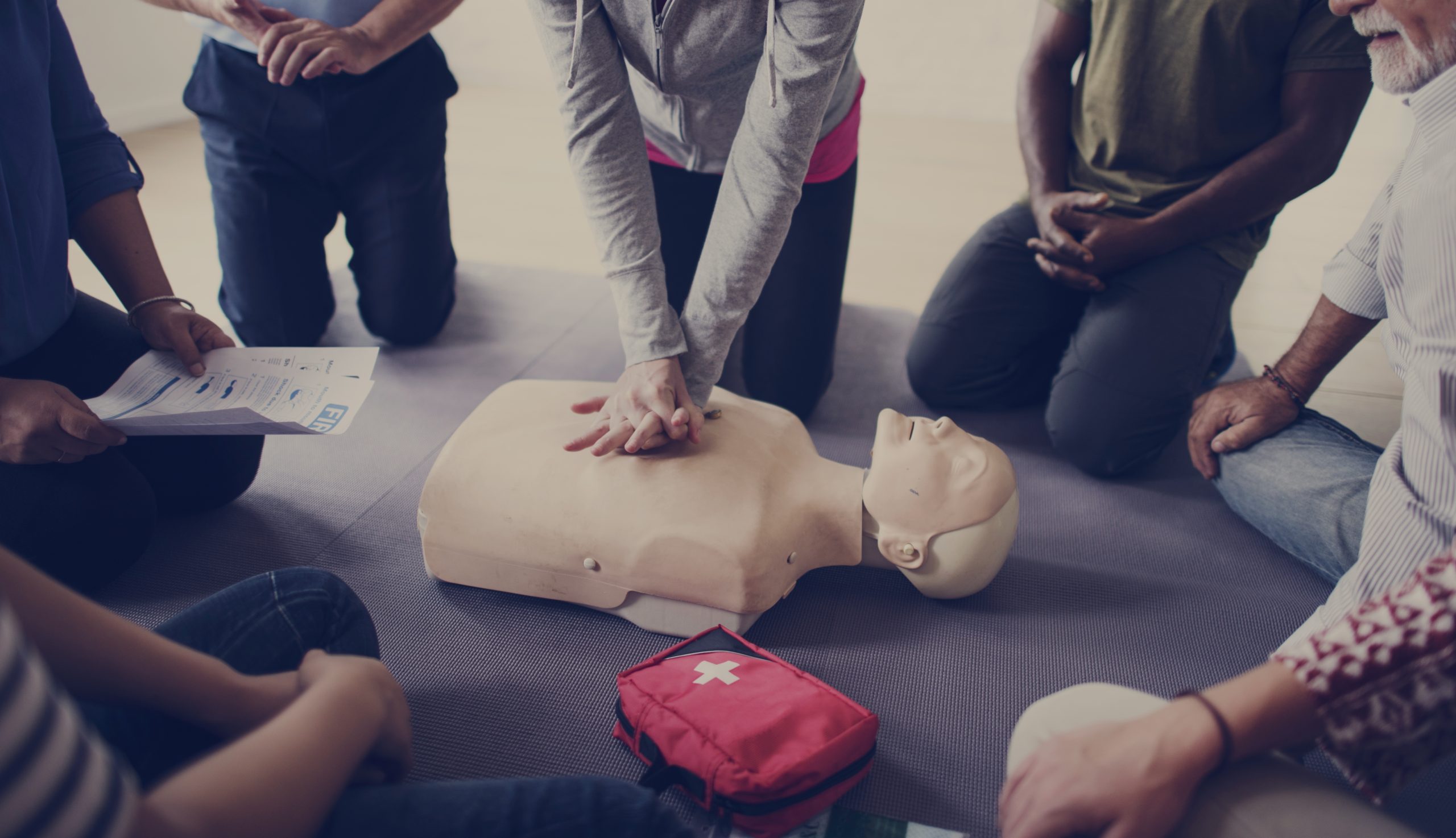
Being showed the actions for CPR or haemorrhage control is different from having the ability to execute them under pressure. I have seen trainees that recognized the textbook sequence yet froze when a fellow pupil substitute collapse and vomit. Technique hardens the electric motor skills of breast compressions, the judgment calls concerning when to reposition an airway, and the self-confidence to lead by voice when others panic. In Jandakot workplaces-- filling bays, construction backyards, airport solution facilities-- occurrences typically take place where there is no specialist clinical responder for 10 to 20 mins. The very first 5 minutes form outcomes. Hands-on training reduces that time to efficient intervention.
What a strong Jandakot first aid course looks like
A durable first aid course in Jandakot prioritises energetic finding out over passive lecture. You should anticipate a blend of short, concentrated input from a trainer followed immediately by sensible terminals where trainees rotate through realistic circumstances. Right here are core attributes to look for.
- Low student-to-instructor proportion. Classes of 8 to 12 per teacher permit meaningful guidance of everyone's compressions, bandaging, and air passage management. Repetition with responses. Trainees execute CPR cycles, making use of manikins that supply prompt feedback on deepness and rate, then repeat with teacher correction. Scenario complexity that increases. Beginning with single-issue simulations like fainting, after that move to mixed occurrences such as a chemical splatter adhered to by airway compromise. Use of authentic devices. Training should include a computerized external defibrillator, tourniquets, oxygen treatment where ideal, and actual first aid packages configured like those students will make use of on the job. Formal assessment that mirrors actual tasks. Evaluation ought to be sensible and criterion-based, not a multiple-choice examination alone.
If you look for first aid training Jandakot or first aid course Jandakot, ask service providers whether they run sessions that match those criteria. Courses that call themselves first aid and CPR Jandakot or first aid and cpr course Jandakot should consist of both cognitive learning and hands-on assessments.
Typical course layouts and timeframes
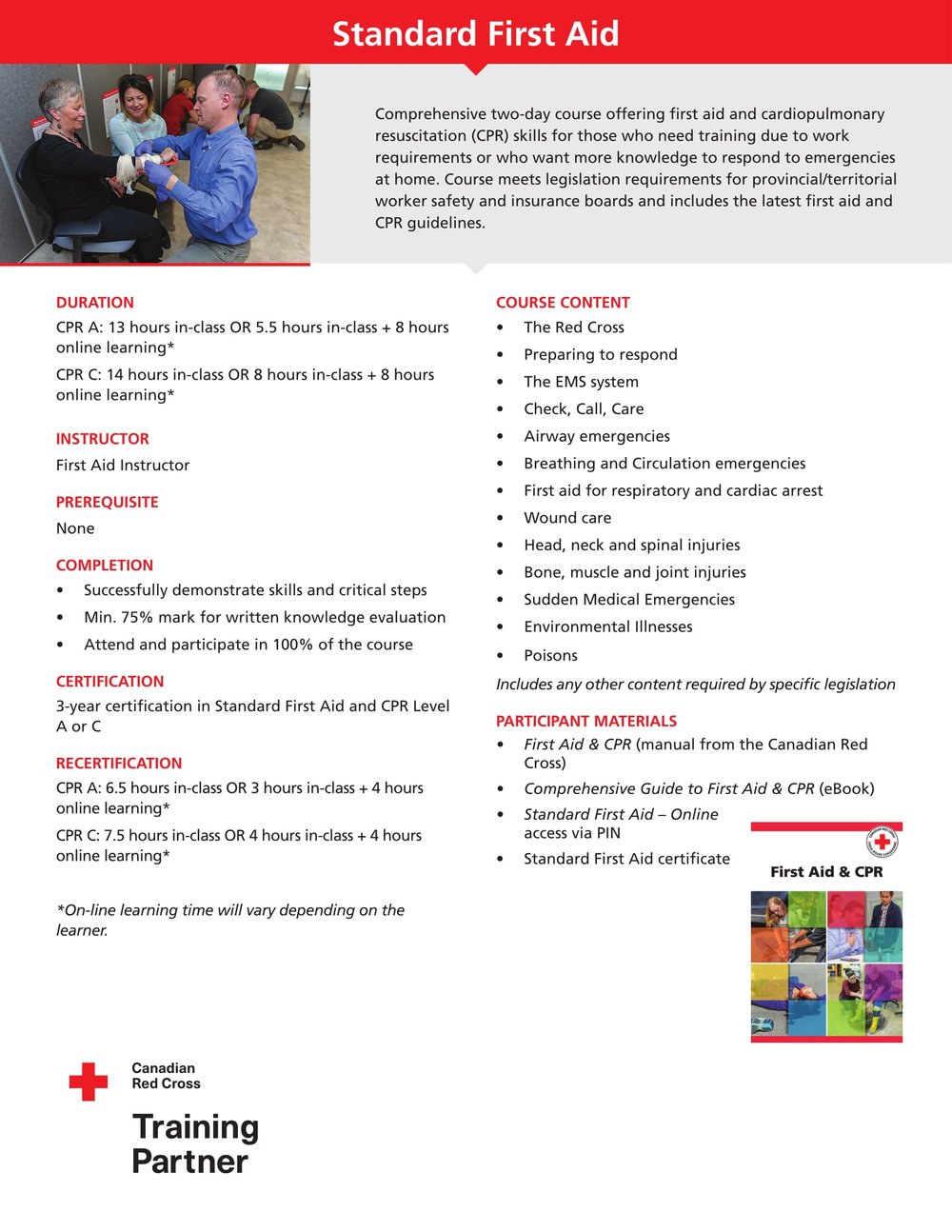
Course length differs by certification. A standard office unit such as Provide First Aid (HLTAID011 or its existing equivalent) generally runs over one full day, around 8 hours in person. A combined Give First Aid and CPR course could be a complete day plus a much shorter follow-up for the CPR skills check. A CPR course Jandakot or cpr course Jandakot can be a stand-alone three-hour session when the job just calls for basic resuscitation skills.
Refresher courses tend to be much shorter however denser, usually 4 hours for a cpr refresher course Jandakot where the focus is on revalidating compressions and AED usage. Keep in mind formal qualifications generally require renewal every 12 to 36 months depending upon the regulatory authority and the particular credentials. Companies typically anticipate a first aid certificate Jandakot that is valid and current.
Practical stations you must experience
Good training divides the useful day into distinct stations so trainees get numerous repeatings of details skills. A reasonable set of terminals consists of air passage and breathing assessment and management, CPR and AED practice, shock and flow management, arm or leg injuries and splinting, and hemorrhaging control including stress dressings and tourniquet use. Scenario-based stations need to put those abilities together.
One element often underused is ecological realistic look. As an example, method CPR on the flooring as opposed to a training table, introduce sound and bystander interference to mimic a chaotic work environment, and use moulage to develop realistic injuries. In one training session at a light commercial website near Jandakot Airport terminal I went to, trainees had to carry a subconscious person from behind a pallet pile and perform CPR next to a rolling forklift. It was awkward, however it educated practical troubles-- unpleasant positioning, maintaining compression high quality while avoiding debris, and communicating with colleagues to clear space.
Assessment that shows competence
Assessment should be competency-based and observable. A reputable analysis version breaks down called for tasks into discrete skills with visible outcomes. For Offer First Aid, assessors commonly seek the capacity to carry out CPR correctly for 2 mins, show reliable AED pad placement and shock shipment, control major outside blood loss with correct application of pressure and dressings, and take care of a respiratory tract including recovery setting methods where appropriate.
Assessments ought to consist of at the very least 2 practical scenarios that require incorporated choice making. One scenario might be a single grown-up collapse needing resuscitation and AED usage. A 2nd situation could include a conscious person with a deep, bleeding arm or leg injury and indicators of shock. Both scenarios permit assessors to evaluate core abilities and communication.
A functional assessment checklist ought to cover both psychomotor skills and non-technical skills: leadership, scene safety and security appraisal, calling for help, and clear handover to showing up emergency situation solutions. Where possible, the assessor ought to use failure-to-pass requirements that are specific. For example, a student who constantly does compressions much less than 4 centimetres deep (or outside the present standard variety) ought to be provided structured feedback and the opportunity to remediate prior to failing the unit.
What innovation aids and what it can not replace
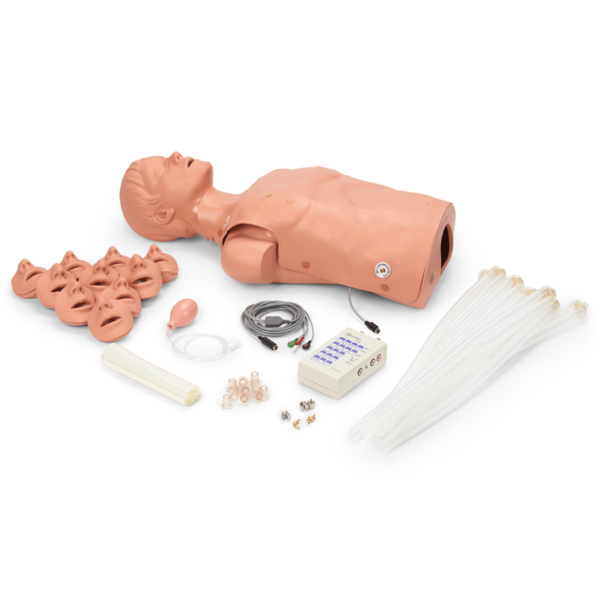
Feedback manikins have transformed CPR training. Modern manikins determine compression deepness, price, and recoil, and give instant visual or auditory signs. They are important for finding out right method. Substitute AED trainers simulate pad positioning and shock shipment without delivering an actual shock, which allows repeated method. Video playback of a trainee's efficiency is an additional valuable device; seeing yourself do compressions frequently speeds up correction.
Technology is an amplifier, not a substitute. It can not mimic the texture of a torn ligament, the unpredictability of a throwing up patient, or the scent and stress that come with a genuine event. Those aspects are the reason online role-play and improvisation remain core to high quality training.
Choosing a service provider in Jandakot
Selecting a first aid professional Jandakot boils down to three variables: curriculum positioning with nationwide standards, instructor experience, and just how the company runs sensible sessions.
First, check that the course maps to the current nationally identified competencies if you require a formal certificate. Several listings use terms like first aid course in Jandakot or first aid courses in Jandakot; confirm which systems of expertise Provide First Aid course are being taught.
Second, fulfill the teachers. Inquire about their useful background. An instructor who has actually shifted in between servicing emergency situation rescues, training in commercial very first response, and delivering neighborhood CPR sessions will have a richer toolkit than somebody that just has class training experience. Teachers who consist of individual area stories aid make circumstances reasonable without jeopardising privacy.
Third, evaluate exactly how technique is structured. Can you go through the course timetable? Are there station turnings, how much time is each practice block, and what devices is used? If the instructor can not plainly explain their analysis procedure and re-sit plan, be cautious.
Preparing your group before the course
A little pre-course prep work boosts results considerably. Ask individuals to check out any type of pre-course materials, watch a short CPR method video clip, and come with comfortable clothing that permits flooring method. Organisers should ensure participants finish any type of needed clinical statements and disclose conditions that may impact their ability to get involved physically. For workplaces, notify personnel about the demand to exercise substitute heavy lifting safely; if a person has a back issue, prepare an adapted function that still methods decision-making and delegation.
When a company sends out a group for first aid courses Jandakot, take into consideration startling individuals so not all qualified people are missing at the exact same time, and keep records of who completed which devices and when renewal is due. A basic spread sheet with names, course type, day, and certificate expiration comes to be very useful during inspections.
Common weaknesses to see for
Some courses rely too greatly on theory and offer little sensible time. Other regular problems consist of overcrowded courses where trainers can not give meaningful rehabilitative comments, and the use of obsolete standards or devices. I once audited a work environment first aid program where students spent 6 hours listening to slides and only 15 mins on CPR practice. That is not appropriate for a workplace that may expect those personnel to react to a collapse.
Another concern is shallow evaluation. If certifications are issued after a multiple-choice test without any sensible analysis, the certificate suggests extremely little. Similarly, courses that do not examine the high quality of compressions with comments manikins are missing a critical step.
Recovery and emotional preparedness
First aid training that stops at skills risks leaving -responders not really prepared for the emotional consequences. Individuals who carry out CPR in an office setup frequently experience distress afterwards. Excellent courses include a brief module on mental first aid for responders, what to anticipate psychologically, and just how to gain access to assistance or debrief with colleagues. Straightforward practices such as a short team debrief, call details for staff member help programs, and normalising emotional responses significantly lower longer-term stress.
Specialised training: past the basics
Some workplaces call for modules beyond the basic give first aid system. Remote sites and industries in Jandakot with certain hazards might take advantage of advanced trauma life support principles, oxygen administration endorsements, or training in replying to chemical exposures. Where a first aid course Jandakot markets industry-specific modules, ask for information about useful drills and tools. As an example, a workshop handling solvents must CPR training Jandakot consist of simulated chemical dashes with proper decontamination procedures.
Refresher technique and retention
Skills decay is real. Hands-on skills like CPR compressions weaken over months otherwise exercised. A practical retention approach mixes official correspondence course with short office drills. As an example, run a 15-minute group drill monthly where a different individual acts as the -responder and others play spectators. Every 3 to six months, carry out a 30 to 60-minute skills session using manikins to practice compressions and AED pad positioning. Then arrange a formal refresher course every 12 to 24 months, depending upon the certification and work environment threat profile.
I recommend companies gauge competence instead of participation. As opposed to merely recording that team attended a refresher course, carry out a brief observed abilities inspect and record the outcomes. This strategy maintains skill degrees straightforward and recognizes people that require additional support.
Costs and value
Prices for first aid and CPR Jandakot differ based upon class dimension, equipment, and whether the carrier provides on-site. Expect a single-day HLTAID011-style class to variety extensively; smaller sized classes with high-quality tools and low proportions warrant higher costs due to the fact that they create far better results. Think about training as a financial investment in risk decrease. The expense of a well-run sensible program is small compared with the possible prices of work environment injury, governing penalties, or the human price of insufficient response.
Anecdote that clears up the distinction method makes
During a multi-site training program I provided for an air travel upkeep professional, one trainee later on made use of abilities from that day to conserve a coworker that had a cardiac arrest in the workshop. Because the student had exercised two-minute CPR cycles with real-time comments, he kept high-quality compressions till the paramedics arrived. That case emphasized a clear truth: skill quality, not merely having a certificate, shapes outcomes. The student informed me afterwards that the duplicated method and the stress and anxiety of simulated loud atmospheres made the real event "much less distressing and a lot more step-by-step," which is an exact summary of preparedness.
Questions to ask prior to you sign up
When evaluating providers in Jandakot, ask these practical concerns: How many trainees per trainer? What manikins and AED trainers do you make use of? Are circumstances realistic and do they consist of moulage? Is assessment sensible and observed? What is your re-sit and remediation plan? Can you run on-site sessions using our actual first aid kits and workplace layout? Answers to these questions disclose whether a provider concentrates on competence or compliance.
Final useful checklist
- confirm the course maps to the identified units you need, such as offer first aid verify low student-instructor ratios and the use of responses manikins ask for details on practical situations, assessment methods, and re-sit policies plan work environment refreshers and short regular monthly drills to keep skills ensure emotional debrief and assistance procedures are covered
Where to look locally
Search terms like first aid course Jandakot, jandakot first aid course, and cpr training Jandakot will appear neighborhood suppliers. Visit their facilities, examine their tools, and ask to sit in on a section of a course preferably. Community centres, signed up training organisations, and purpose-built first aid training centres all run around Jandakot. Compare not just price yet the deepness of method and assessment.
If you handle a work environment, straighten your training schedule with operational demands and maintain certifications and analysis records centralised. If you reserve as a specific, choose a session that prioritises useful rep and offers you access to comments devices.
Practical following steps for organisers
Book a site browse through by the trainer so they can tailor circumstances to your work environment threats. Provide a listing of normal cases you visualize on-site. Guarantee participants use clothing suitable for flooring work which any physical limitations are disclosed in advance of course. Schedule a brief debrief after real-time events so skilled team can review challenges and identify training gaps.
Getting it right
The distinction between first aid training that produces proficiency and training that just problems paperwork comes down to one element: deliberate experiment purposeful responses. In Jandakot, where time to professional help can be determined in minutes that matter, the area gain from training designed around realistic technique, solid assessment, and continuous maintenance. Select a supplier that recognizes that, demand hands-on hours, and construct a workplace regimen that maintains skills sharp. The next time a collapse occurs, those mins will count.